XTRUST-6G 3rd Plenary Meeting in Barcelona
XTRUST-6G 3rd Plenary Meeting highlights technical progress and demonstrations across the project
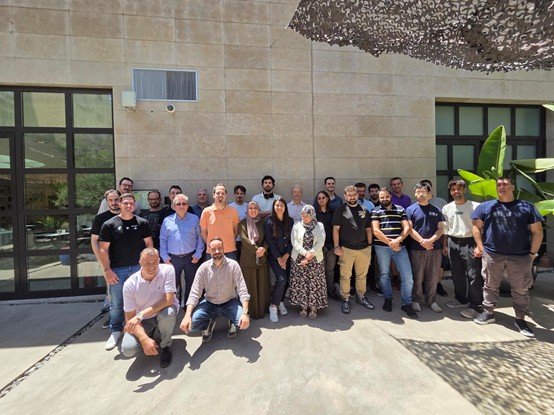
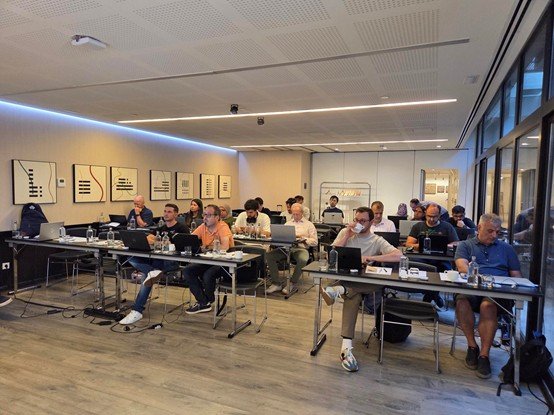
On 17–18 June 2026, the XTRUST-6G consortium met for a two-day project meeting focused on technical progress, ongoing developments and the next steps towards integration and pilot activities.
The meeting gave partners the opportunity to present the status of their work, discuss open technical issues and demonstrate several of the tools currently being developed within the project.
Technical progress across the Work Packages
The first day covered developments in WP2, WP3, WP4 and WP5, as well as activities under WP1.
WP2 focused on the XTRUST-6G technical specifications and Zero-Trust architecture, together with data protection and societal impact considerations.
WP3 presented progress on threat modelling, identity management, Zero-Trust access control, network micro-segmentation and resource management. Several tools were also demonstrated, including TrustX, DLT-IAM, K3NetOrchestra, ZT-ENG and SenseX.
WP4 covered privacy-enhancing technologies, federated learning, synthetic data generation, explainable AI and AI trustworthiness. Partners demonstrated tools related to synthetic data generation, federated learning, AI sustainability, explainable AI and AI assessment.
WP5 focused on cyber-threat detection and incident response. The discussions covered cyber-deception, network profiling, collaborative intrusion detection, moving-target defence and cyber-threat intelligence. Demonstrations included tools for honeypot management, network profiling, intrusion detection, incident response and threat intelligence.
The day concluded with updates on project management, ethics and data management, communication and dissemination, exploitation, clustering and standardisation.
Quantum-safe security, O-RAN and cloud-native protection
The second day started with WP6, which presented work on post-quantum cryptography, quantum key distribution, physical-layer security and advanced cyber-attack scenarios.
Partners demonstrated several related technologies, including post-quantum cryptography tools, QKD components, an NTN channel emulator and cyber-attack tools.
The meeting then continued with WP7, focusing on cloud-native application security and orchestration for 6G. Topics included O-RAN security, software supply-chain security, automated security orchestration, DLT-based auditing and federated security-event management.
A number of tools developed within WP7 were also demonstrated, including Wir3d, CloudHawk, SVMS, NG-SOAR, DLT-EVA and the federated AI-powered SIEM platform.
Focus on integration and pilot preparation
The final part of the meeting was dedicated to WP8 – Integration, Pilot Implementation and Evaluation.
Partners reviewed the current integration status and discussed progress across the five XTRUST-6G use cases, covering:
- 6G-enabled EV charging infrastructure resilience;
- security of 6G-connected autonomous vehicles;
- quantum key distribution for end-to-end 6G security;
- additional security scenarios for connected and autonomous systems; and
- protection of 6G virtualised infrastructure against cyber-attacks.
For each use case, the responsible partners presented the current status of the pilot infrastructure and the main next steps.
The meeting provided a useful opportunity to bring together the different technical developments of the project and discuss how they will be combined during the next phase.
As XTRUST-6G progresses, the focus is increasingly moving from the development of individual components towards their integration and validation within the project’s pilot environments.